Perilla is infamous I suppose for having a long incubation time. An internet resource I checked said he sprouted the seeds before planting them so I did the same. Two weeks later still nothing. So I dumped the soil of unborn perilla plants into a bed and laid down some arugula sprouts. One month later the arugula thrived. Now two months later, the arrugula is being overrun by the Perilla. Perilla likes higher soil temperatures so now being May, I sprouted the seeds as recommended before planted the seeds into soil. I thought the seeds had died, but it turns out they just weren't ready. It's been informatory and a reminder of how much gardening will be a continuous learning process. I have about 14 little plants that will need to be transplanted onto guerilla gardening plots quickly! since the circular bed will only support 3-4 mature plants.
Like many things in life the projects I've taken on had unknown steps to take until some things could only be done good enough instead of stellar. Since farming is not my full-time job, I can not devote all my time to doing it perfectly, and some things have been neglected when things came up in life that had to be dealt with first.
There are some Jerusalem Artichokes that I haven't planted. Some have been lost to mold, and the others need to be planted. I just have prioritized other things at the moment such as working out and eating cleanly. Now, it's a matter or plant them now or don't plant them at all, a stark choice that makes this a priority.
I am afraid that two of my food composts have been severely neglected. The food has to be mixed with a nitrogen rich leaves to break down, but I haven't and if there wasn't a good breeze on my roof, I would have gotten rid of the rotting mass it has become. If was doing a good job with the last two boxes of food waste that I am speaking about than I would have probably mixes in leaves about a day or two following the food. But its been about a week without any leaves to help it break down.
My forest compost system is great, because its the simplest and needs the least amount of input, A shallow whole and the food and covered with leaves in the forest will produce a good result and will not offend my white collar neighbors.
Unfortunately, the leaves are not far persay from me to gathe, but in the city it can be hard to make the trip to gather leaves when I have a short window of time when work finishes until bedtime. That isn't an excuse, because ultimately that is my fault and it isn't enough. I should have prepared better on the weekend. My shame will help me to comply with this.
It goes to show that the simpler something is, the easier it is to comply, something that speaks for why living in the country is going to be more ecologically friendly, since I would have way less hauling and inputs to maintain this garden. It also shows me, how much better I need to do.
Showing posts with label growing things. Show all posts
Showing posts with label growing things. Show all posts
Sunday, 2 June 2013

Monday, 27 May 2013
Namsan Community Garden Kicked Started by Guerilla Gardners In Seoul
Near HBC Seoul, Sunday, I met a group of people part of meetup.com/urbanfarmer to help with their community garden project, led by fellow rooftop farmer Justin and waygook gardener.
What is essentially a guerilla garden project needs to be aesthetically pleasing so the parks department will accept it as a project. No permit, we are are going into a sensitive area that needs to look like an improvement. The group has met several times and cleared a mass of bamboo to created an aesthetic shape.
We cut the weeds and turn the soil, layed out logs to make nice shapes to the beds and then, covered the soil with leaf mulch to protect the micro-organisms.

These picture was taken earlier in the day. Two beds had already been constructed a week earlier.


The results of the days work felt great. I had left by the time this photo was taken by Justin to get back to Wonju. The raining season began the next day in time for planting.
Great job all!

Sunday, 19 May 2013
Wild Garden
For new gardeners it's best to grow what is easy to grow and the gardener's health will benefit from growing wild or almost wild plants. It's part of what I call wild gardening. There are many wild plants that can be grown and the focus of this will be on the one's currently on my rooftop. I will discuss some of the new plants that I either seeded or transplanted.
Drought is suspected in Gangwon-do province this year, but the vegetables below can handle things on the drier side especially Purslane. They are nice chopped on in a salad as they provide crunchy and they are really hydrating.
Purslane will handle the hot summer sun and will grow low and help to keep in moisture.


Lambsquarters, is very similar to spinach when cooked and has lots of magnesium amongst other things. I dug this up near the open spaces in weedy areas around town, where I felt they were a comfortable distance from street traffic. They grow high and will provide shade for cooler weather crops that don't like the full sun. And it will get hot this year.


These chicory came up near the chicory I planted. When harvesting the chicory I broke off some root and it produced three more chicory. When I harvest something and it grows more plants well that's just what an organic gardener like me wants. Simplicity.

While some of the folks around town were out partying this whole weekend, I spent two of my three day weekend working on the garden or about the house and relaxing before the workweek I did body building and I also made a lentils and rice dish into something exciting with the addition of greens from the garden and spices. It can't be a bad thing to take opportunities to relax in this stressful life, can't it?
Saturday, 18 May 2013
What's Growing On?
The journey continues to eat more organic greens in my life and just last week I tasted my first greens from my garden. I haven't been too particularly healthy recently and this is part of my plan to get healthy.
How about a tour?
By the way you'll notice a paper doll in the picture below. It's name is Flat Ethan and he is part of my nephew Ethan's afterschool program's project. How it is working is that Ethan made three dolls and sent them to three different people, me being one. Then those people take picture of Flat Ethan in different places and write about the adventure. When we are finished, we'll mail the pictures and stories back to Ethan who will present it to his class.

After learning very quickly after my arrival in Wonju that there weren't any nearby places to grow, I had to turn to other options. The owner of the apartment building was kind enough to let me use the roof to grow things and went for it. I built the black planters out of 5,000won(5.50-6 USD) washing containers. I staggered their building over some weeks and I staggered planting in them over that time.


The barren looking planters in the back were the last to be made and seeded.

Collard greens, a southern staple are grown often in Korean to wrap little pieces of meat into and for me will go into the cooking pot when I cook up a brew of food.
 |
| The green leaf chicory has been wonderfully mild with a crunchy texture. |

One of my Kale plants, young arrugula, and green chicory.

Arrugula has been the least fuss to grow, I just scattered them in rows and watered them. Yet it's so expensive to buy the greens in stores.


My rosemary bush is recovering from some mistakes I made. Please get better rosemary.

Mint plants for tea.


The total costs for shipping and buying seeds and buying potting soil, fish fertilizer and coconut coir amounted to around 200,000 until I put a stop to investing anything more this year. It's been worth it. If I had land of course, it would be much cheaper to start, but for my initial investment over the year it will add up to savings and better nutrition. Yeah for health.
Today, I harvested 4,000 won of greens for my breakfast and dinner today I will break even in two months as well as save in vegetables through the late fall.
Next time around, I'll have the containers already and the soil mixture I made for them, including coconut coir which is an organic material to keep potting soil keep more moisture.
 |
| Salad mix greens for gifts, and strawberry spinach for the garden. |
So coming soon are purslane, lambsquarters, strawberry spinach, and perilla representing the wild foods with their own awesomeness and to fill up the empty spaces.
I have salad greens and strawberry spinach in the pots for sprouting.
Strawberry Spinach is one such wild plant. and recently I just transplanted Lambsquarters.
Not pictured is my swiss chard plant in a blue containers and my hot compost at the far end of the mix.
The hot compost allows a portion of your compost to be meat and fish scraps, something important for many reasons, two of which are, 1. to not waste and 2. they provide good nutrition for the soil.

The landlord below is growing some of her own stuff on her balcony.
A friend told me that this weekend is record breaking yellow dust weather. Yeah, there isn't fog in this picture. It's pollution from China as well as dust from farmland that are rapidly becoming desert from aggressive agricultural practices similar to the US dustbowl of the 1930s. It's not as visceral as a PETA factory farming practices but I believe growing ethically is just as important as abstaining from factory farmed meat, even more so, because factory farming wouldn't be profitable without these aggressive farming techniques.


The day is beautiful in its way. Grow on.
Friday, 10 May 2013
Growing Pretty: Permaculture Around Wonju
Near a McDonalds in Wonju a side of the hill is shady and moist and it's leveled here. Perhaps some nettle. I dug square foot distances approximately and planted.
On the same hill in the sunny spots, I planted Jerusalem Artichokes. The perrenials roots will be a food source for the people and animals that happen upon it long after I am gone.
There is some dandelion growing near by I take to transplant. I can use the roots for a liver tonic. Perhaps it will help detoxify from the pollution..
Walking home, I climb a hill near a temple. There is row a between shrubbery, another place for Jerusalem Artichokes.
Going back in time two days, an empty patch of land between the wall of my current employer and a nearby farm becomes a spot for 15 Jerusalem Artichoke plants.
All of the areas have cover crops that I leave untouched except for the square foot I use for planting the bulb. will minimize the impact on the soil. The Jerusalem artichokes will grow and shade out the weeds around. When the weed die they will fertilize the soil. Then I will plant runner beans in the more discrete locations which willl use the Jerusalem Artichokes chokes as supports. The area around the temple will just grow J.A's because they will produce Sunflowers, but anything that looks to much like conventional food will offend a mainstream sensibility. In public areas the discrete plantings must grow pretty looking flowers and be discretely edible. Those are the sensibilities I have to respect.
The J.A is a great guerilla gardening plant for this reason, because it's so pretty to see.
Wednesday, 8 May 2013
What's Growing On....
I've started a rooftop garden on my apartment as well as claiming patches of unused land for vegetables.. I have about 12 wide planters and 5 pots on my roof. Currently, I have kale, two kinds of chicory, rosemary, collard greens, strawberries, and arugula, maturing in the planters. I'll be posting updates as we go along.
I 'll be starting perilla, basil, cucumber, tomatoes, and soon.
Along side a concrete fence between my job place and a farm, I've planted over 15 Jerusalem Artichoke plants during my lunch break today. I have so many tubers I'll give them away if people can get to me before I plant them out. There is a lot of space around for them to grow. They need a lot of sun to be happy, appropriate since they are a sunflower plant.
It feels so great to be growing things. It's really grounding.
It's a step towards improving the greens in my diet which too many times comes from a lot of fossil fuel based agriculture which as many people know lacks nutrients and is sprayed with poisons.
This is my first time doing some serious gardening and I am learning as I grow. I hope to see more people growing as well so I am growing extra seedlings so people can grow too. Growing food is the easiest way in a civilization to improve your health because organic food is expensive. I am not rich and I plan on saving money on future medical expenses by growing my own food and improving my health. Wild food is the best in terms of nutrition but its possible to grow many wild foods too and I am doing that too.
But that's just my opinion. You can do whatever you want. Take care.
Monday, 6 May 2013
Jerusalem Artichoke (뒤지감자), a rewilder's vegetable
My friend got the roots of Jerusalem Artichoke for me from a Wonju market lady. This is a great vegetable which I will be planting in certain places in Wonju for a new carbohydrate source in my diet. A sunflower, this hails from the midwestern US, and were used by the wild natives of the area. Native Americans are a great model for sustainability because their survival was dependent on living within their local environment. They are often referred to as a model for true paleo diet, which is often confused by the grocery store paleo authors, who make rules to approximate wild food choices in a grocery store. Native people had a wide variety of plants and animals in their diet including grains and I think that the key to a true paleo diet is their wildness and their diversity. This plant was cultivated by the Native Americans, but still retains much of it's wildness.
It's a very useful for me because rewilding is the best way to minimize ecological foot prints. Jerusalem Artichoke will thrive in the wild and is good way to start gardening. One plant can out produce sweet potatoes. John Koller from growingyourgreens.com, reported growing approximately 10 pounds from one plant. The tubers can be stored in soil for a year. It is a perennial plant that will come back year after year. They also produces beautiful sunflowers that attract bees to pollinate crops, as well being beautiful to look at.
That's my opinion, but you can do whatever you want. Take care.
Monday, 11 March 2013
"If You Ain't a Gardener, You Ain't Gangsta!!!" TED Talks Hosts a Guerilla Gardener
A qoute from Ron Finley.
Here's another.
"Growing your Own Food is Like Printing Your Own Money- Ron Finley.
That's why I believe it has been discouraged as a solution to our food crisis. That's changing.
Ron Finley was invited to give a TED talks lecture. Ron is a Guerilla Gardener. Guerilla gardening is growing food on abandoned lots, in parks, and public land. Ron was planting on vacant lots, yards that people ask Ron to garden, etc. It's something that zoning laws discourage- even if you own the land in many cases. For myriad reasons, someone complained and what started as a citation turned into a warrant for Ron Finley's arrest for growing food. That was until his friend's in his gardening group got support through the internet. The charges were dropped because to prosecute him would be an embarassment to the city and an exposure of just how much power the current laws take from common people. As Ron Finley put it, "Come on. A warrant for growing food on land the city doesn't even want."
But now, I guess it's not guerilla anymore now that Ron has the blessing of City of LA. It's becoming acceptable. And the sign to me that it is becoming acceptable is that TED hosted him. No longer something done on the fringes of society, the mainstream left has supporters of guerilla gardening and urban gardening. It's no longer dirty to many people.
It's probably the most hopeful thing I have seen in a long time to see the mainstream left and TED get behind this . Guerilla gardening is now becoming an anachronistic term, because people are less likely to be fined for growing there own food. Fundamentally, it's a sign that the mainstream left is getting behind people's right to grow their own food.
I have disliked many TED talks for their technocratic lovefests and their slick talks, "Is Genetically Modified Food Bad?" comes to mind. The solutions are often costly and with a high net carbon and waste ratio.
But paramount to my problem with the technocratic solutions is that the solutions require specialists to be trained to maintain such systems. Such solutions can not be adopted en mass. Why do they then talk about them then?
That's why I love this so much! It is simple, cheap and is accessible to able bodied people. Unlike technocratic solutions this can be done enmass. And the masses are needed for a real food revolution.
This is a great sign that people are getting to the food issue by it's roots. I don't apologize for the pun.
http://www.ted.com/talks/ron_finley_a_guerilla_gardener_in_south_central_la.html#.UTykmM1k9wc.facebook
Sunday, 22 May 2011
Growing update
My plants are doing okay.
I've made a habit of rummaging through the trash outside my apartment looking through the well organized recycling for materials or my plants. I've also been collecting soil. And I've also been making my own fertilizers from unmentionable organic sources to a concoction of sugar, alcohol, molasses, and whatever I have around. However, right now I'll admit I am not going into details because I'm playing around at the moment.
I've been using this source as a guide: Organic Fertilizer Guide


I've noticed these vats around town. I've looked up the company EM and they make a soil fertilizers using yeas and other organismst and molasses in the hopes of recreating natural soil conditions. It's a commericial attempt at replenishing the top soil. No proof if it works yet, the idea at least makes sense to me as an intermediate step.


I've made a habit of rummaging through the trash outside my apartment looking through the well organized recycling for materials or my plants. I've also been collecting soil. And I've also been making my own fertilizers from unmentionable organic sources to a concoction of sugar, alcohol, molasses, and whatever I have around. However, right now I'll admit I am not going into details because I'm playing around at the moment.
I've been using this source as a guide: Organic Fertilizer Guide


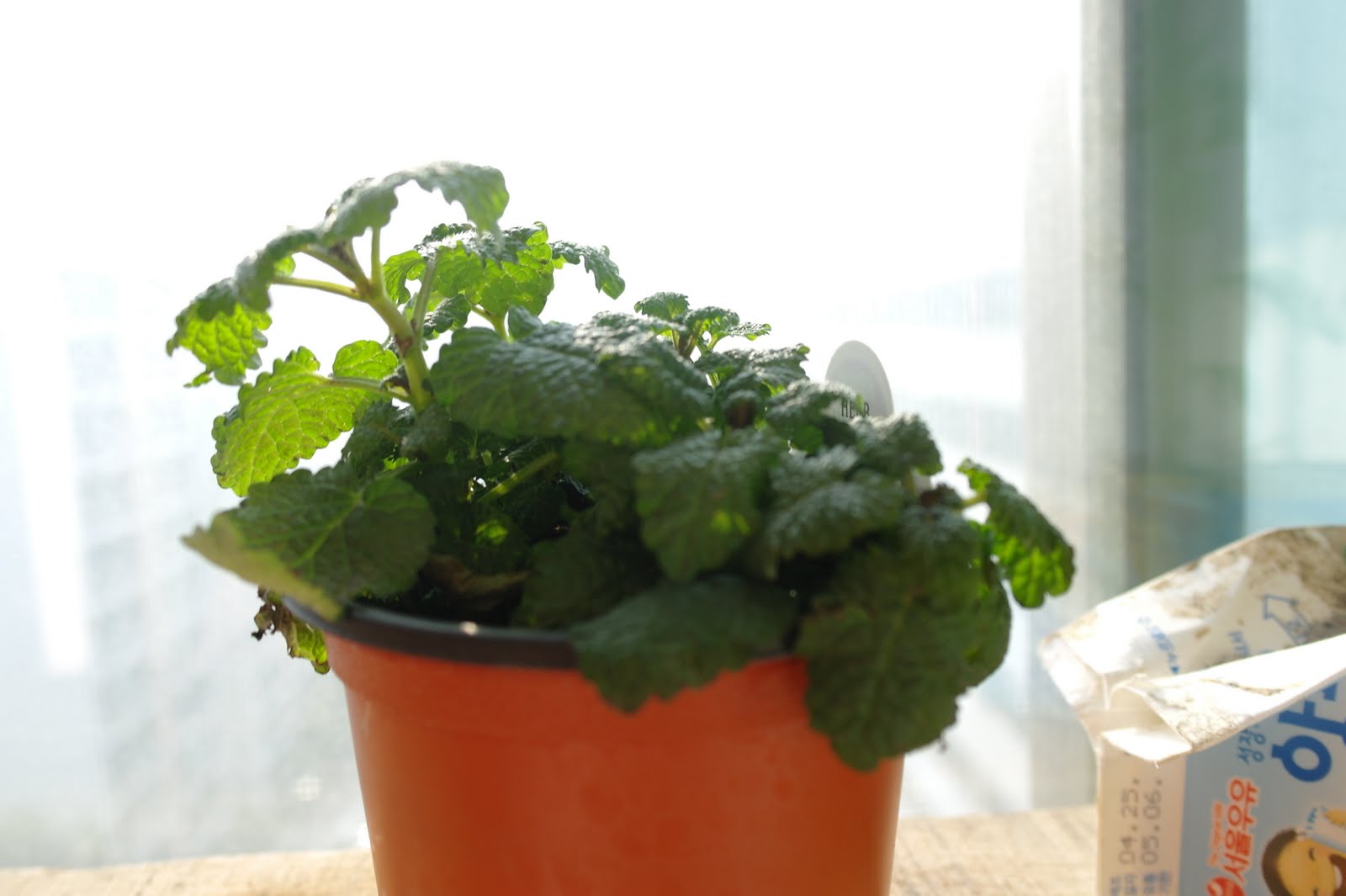
I've noticed these vats around town. I've looked up the company EM and they make a soil fertilizers using yeas and other organismst and molasses in the hopes of recreating natural soil conditions. It's a commericial attempt at replenishing the top soil. No proof if it works yet, the idea at least makes sense to me as an intermediate step.


I've been walking around the gardens alotments near my apartment a lot and seeing what is being grown. I see a lot of cav


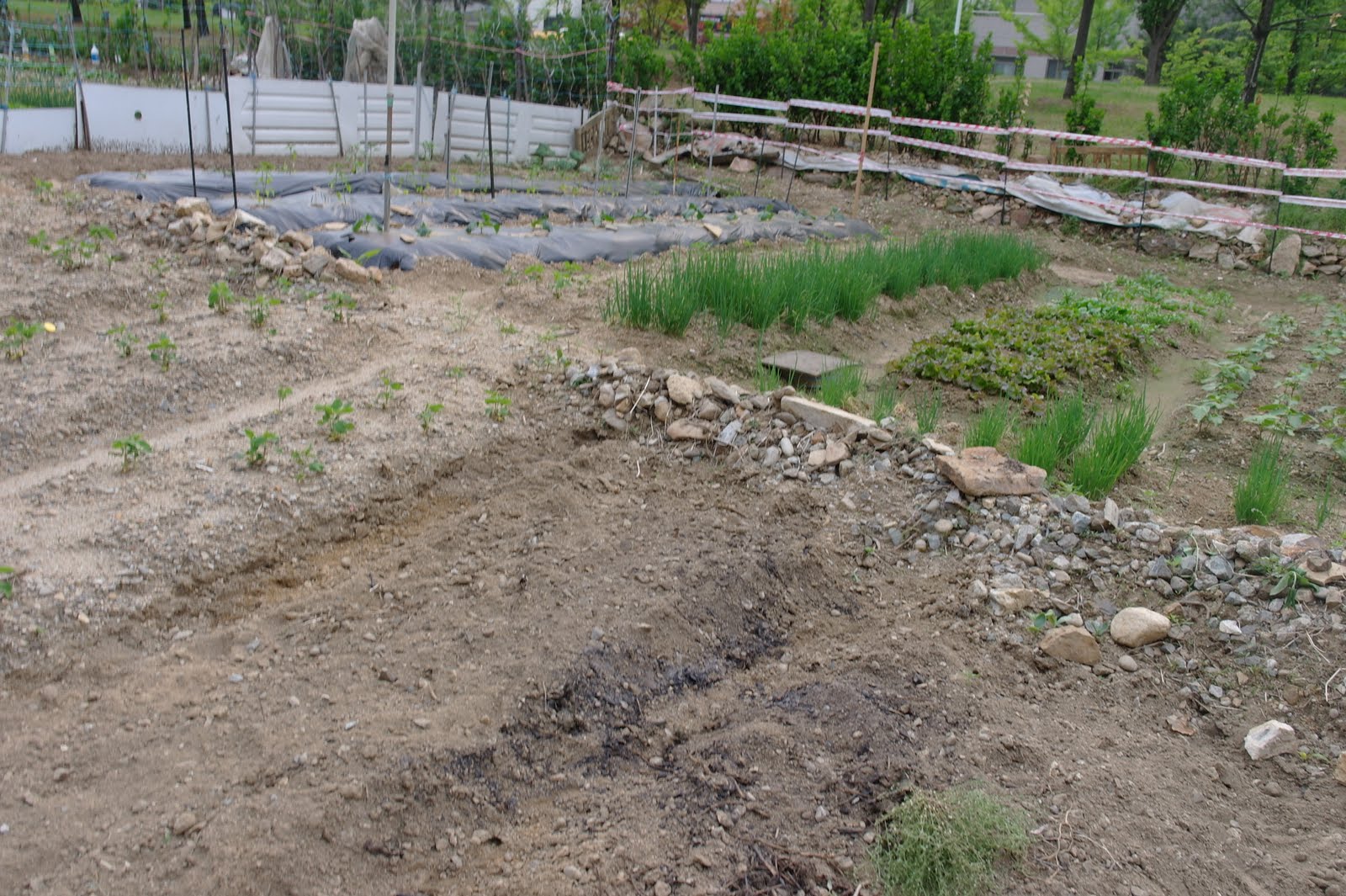


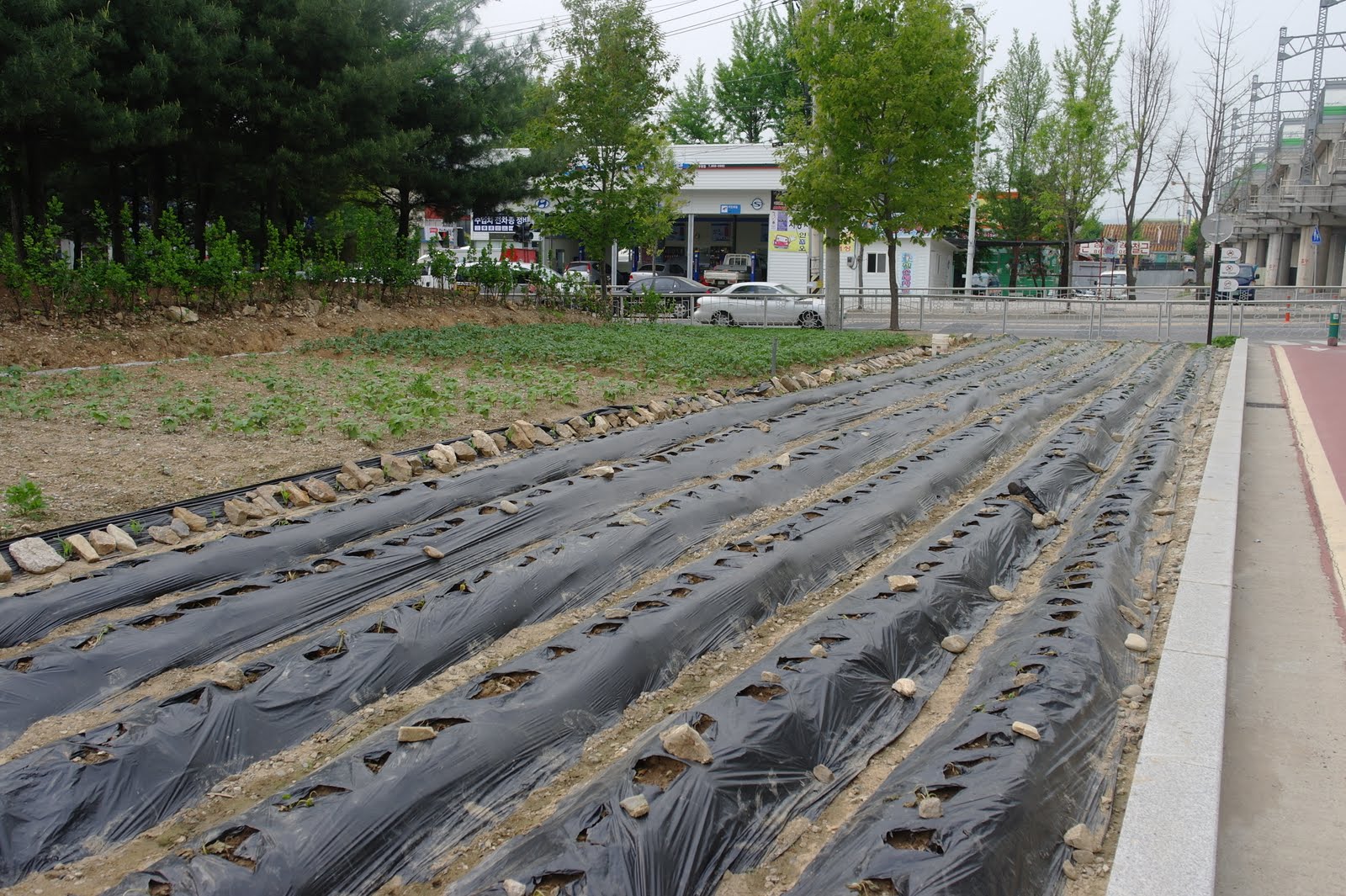


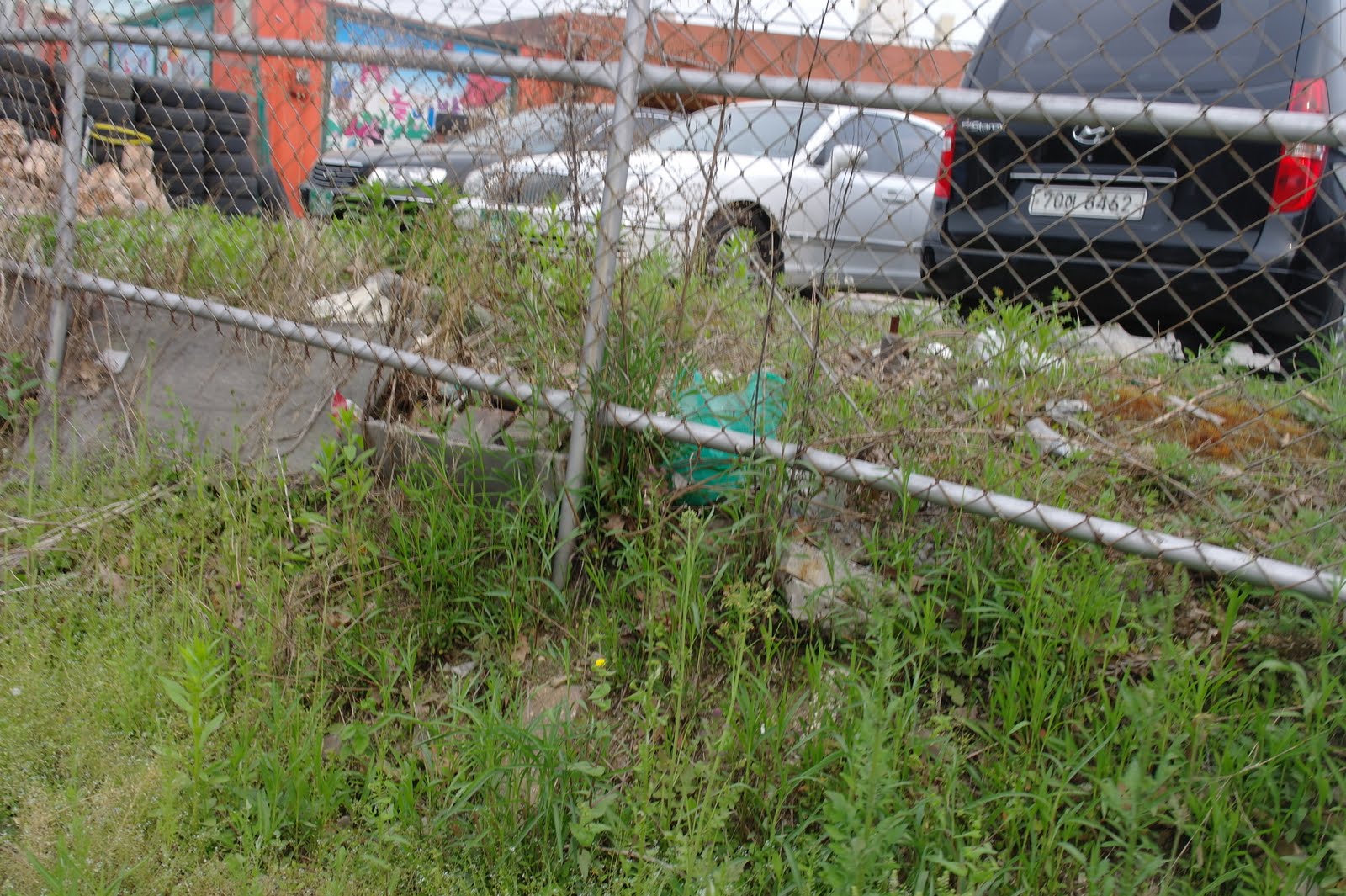
There is a restaurant on one end of the a lot that is really stange but I like it. It's a restaurant but it appears to be a garden and a garage sale rolled into one. It also has a dinosaur statue.


Subscribe to:
Posts (Atom)